
Communication and Interaction
Communication is more than spoken language. It includes gestures, facial expressions, body language, visual information, symbols, signs, sounds and the many individual ways a learner connects with others.
I take time to understand each learner’s unique communication profile, recognising their strengths, preferences and ways of expressing themselves. Support is carefully adapted to reduce pressure, develop understanding and create meaningful opportunities for communication and interaction.
Understanding and Expressing Communication
Some learners may need additional time, visual information or carefully simplified language to understand what is being communicated. Others may find it difficult to express their thoughts, needs, choices or emotions.
I adapt my language, pace and level of questioning to suit the individual learner. I allow time for information to be processed and provide supportive ways for learners to make choices, share ideas, ask for help and communicate what is important to them.
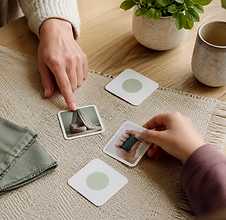
Visual Communication Support
Visual systems can make spoken language easier to understand and provide a more permanent source of information that learners can revisit.
Depending upon the learner’s individual needs, I may use photographs, symbols, written words, choice boards, visual sequences, Talking Mats and other supportive communication tools. These approaches can help learners understand expectations, organise their thoughts, communicate choices and participate more independently.

Social Communication and Shared Interaction
Social communication develops differently for every learner. Rather than expecting a learner to communicate in one particular way, I begin with their existing interests, preferred interactions and natural communication style.
Learning may include developing shared attention, turn-taking, conversational skills, recognising communication cues and expressing personal boundaries. Activities are introduced sensitively and without pressure, allowing trust, confidence and connection to develop gradually.

Responsive and Learner-Led Interaction
For learners at earlier stages of communication, I may draw upon responsive and learner-led approaches, including principles of Intensive Interaction.
By observing and responding to a learner’s movements, sounds, expressions and preferred patterns of interaction, I can create enjoyable moments of connection. These interactions help develop shared attention, communication confidence and an understanding that their actions and expressions are meaningful and valued.

A Respectful, Individualised Approach
All communication is meaningful. Behaviour, movement, silence, withdrawal and changes in regulation may communicate important information about a learner’s needs or experiences.
My role is to notice, listen and respond with curiosity and respect. By creating a calm, accepting environment and adapting communication around the individual, I help learners feel understood, develop confidence and build positive connections with others.