
Reading, Phonics and Literacy
Reading opens the door to communication, imagination, knowledge and independence. My approach is carefully personalised to each learner’s current level of attainment, interests, strengths and individual learning profile.
I aim to help children develop the skills and confidence they need while building a positive, enjoyable relationship with books, stories and written information.
Interest-Led and Age-Appropriate Reading
Children are more likely to engage with reading when the subject matter feels interesting, meaningful and relevant to them. I use learners’ interests as a starting point, selecting fiction and non-fiction texts that encourage curiosity, conversation and a genuine desire to read.
Resources are carefully matched to each learner’s reading ability while remaining respectful of their chronological age. This enables learners to practise essential skills without being presented with material that feels too young or inappropriate for their interests.

Structured Phonics Support
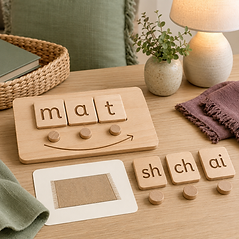
Phonics teaching is adapted to the learner rather than following a rigid, one-size-fits-all approach. I use structured teaching, visual prompts, modelling, repetition and multisensory resources to help learners recognise sounds, blend words and develop increasingly secure decoding skills.
Learning is introduced at an appropriate pace, with regular opportunities to revisit and apply previously taught skills. Carefully selected games and resources may also be used to make practice purposeful, motivating and enjoyable.
Bespoke Fiction and Non-Fiction Texts
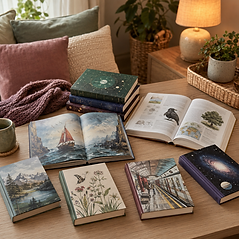
When suitable reading material is difficult to find, I create personalised fiction and non-fiction texts matched to the learner’s level of attainment, age and interests. AI tools may support the development of these resources, with all content carefully reviewed and adapted by me before it is used.
This allows learners to encounter accessible language and achievable reading challenges through subjects they genuinely enjoy. Personalised texts can promote confidence, increase motivation and help learners begin to see themselves as successful readers.
Fluency, Vocabulary and Comprehension
Reading involves much more than recognising words. Sessions may also focus on developing fluency, expression, vocabulary, sequencing, prediction, inference and understanding.
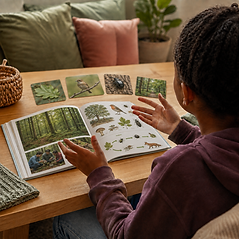
I use visual resources, discussion, rereading and carefully structured questions to help learners explore meaning without placing them under unnecessary pressure. Learners are encouraged to make connections, share their ideas and develop a deeper understanding of what they have read.
A Personalised and Inclusive Approach
Every learner’s reading journey is different. Support may include shorter sections of text, dyslexia-friendly presentation, reduced visual clutter, enlarged print, additional spacing, visual prompts, repeated reading and opportunities to respond without writing.
My aim is to nurture confidence, explore approaches that work for the individual and help every learner grow in skill, independence and enjoyment.